claudia.rak@sunspiremada.com

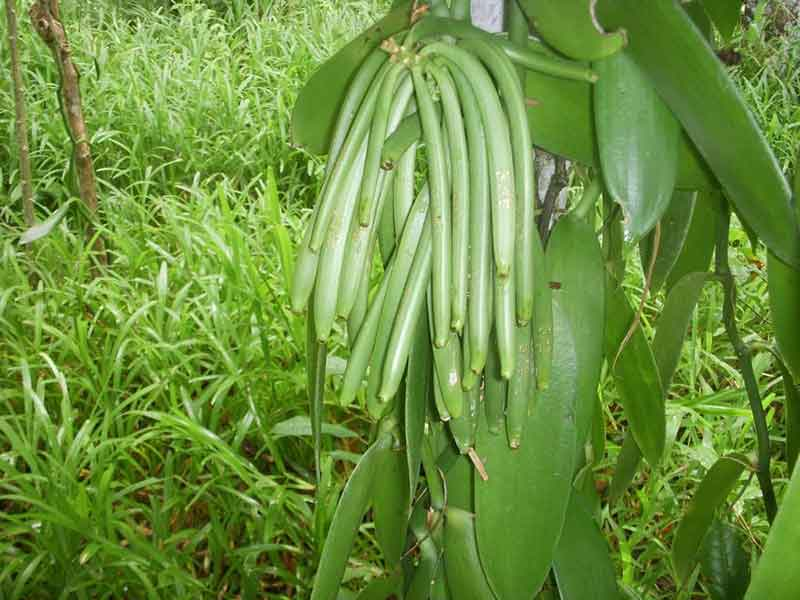
Vanilla is known as “Madagascar’s black gold.” More than just a spice, it represents the identity of a country, ancestral know-how, and an exceptional product sought after around the world. Today, Madagascar supplies more than 80% of the world’s Bourbon vanilla production, renowned for its incomparable aromatic quality. But what makes this vanilla so unique? And why does it remain the benchmark for chefs, artisans, and the food industry?
1. An exceptional terroir
Madagascar enjoys a humid tropical climate and rich volcanic soils, ideal for growing vanilla. This specific terroir gives the pods an intense, sweet, and floral fragrance that sets them apart from other origins such as Indonesia, Tahiti, and Uganda.
The Sava region, in the northeast of the island, is the cradle of this crop: it is here that thousands of pods destined for international markets are grown each year.
2. Artisanal expertise passed down from generation to generation
The unique characteristic of Madagascar vanilla lies in the fact that it is 100% handcrafted.
- Each flower is pollinated by hand, a meticulous operation that takes place early in the morning.
- After harvesting, the pods undergo several stages: scalding, steaming, sun drying, and then refining.
This process can take several months, but it is essential for developing the rich aroma that has made Bourbon vanilla world-renowned.
This artisanal expertise, passed down from generation to generation, is a true cultural heritage.
3. An incomparable aromatic richness
Madagascar vanilla is particularly rich in vanillin, the molecule that gives it its intense, indulgent fragrance. Its warm, sweet, and slightly woody notes make it a very versatile spice:
- used in pastry and chocolate making,
- in the food industry for ice cream, yogurt, and beverages,
- but also in perfumery and cosmetics.
It is this aromatic intensity and complexity of flavor that appeals to the world’s greatest Michelin-starred chefs and manufacturers.
4. A rare and precious spice
Vanilla is a demanding crop. It takes nearly three years for a vanilla plant to produce its first flowers, and the manual labor involved is considerable. This explains its high price on the international market.
Despite its cost, demand continues to grow: consumers are increasingly looking for natural and authentic products, and synthetic vanilla (artificial vanillin) cannot compete with the aromatic complexity of Bourbon vanilla from Madagascar.
5. A product at the heart of local development
Beyond its economic importance, vanilla provides a livelihood for thousands of Malagasy families. Every purchase of authentic vanilla contributes to the sustainable development of rural communities, the preservation of traditional skills, and the protection of the environment.
Conclusion
Madagascar vanilla is much more than a spice: it is a natural treasure, a symbol of patience and tradition, and an unrivalled aromatic richness.
By choosing Madagascan Bourbon vanilla, importers and distributors are guaranteed an exceptional product that can enhance even the most demanding culinary and industrial creations.